In Ethiopia, a quiet but powerful question is being asked again and again in coffee houses, family gatherings, classrooms, and taxi rides: “How can someone dancing on TikTok or making short videos on YouTube earn more money than a doctor?” For many, this feels deeply unfair. Doctors spend years in school, study hard, work long hours under pressure, and save lives. They carry the respect of society and the burden of responsibility. So how is it that someone lip-syncing or cracking jokes online is making more and often faster?
To understand this, we need to look at how the world is changing. We live in what’s now called the “attention economy.” In this new kind of economy, people’s time and focus are the most valuable things. Companies, brands, and platforms no longer just compete for money; they compete for your attention. If you watch someone’s video, like it, comment on it, or share it, that person and the platform make money. The more people watch, the more income the creator can earn. In this system, knowing how to get and hold people’s attention is a powerful skill sometimes just as valuable as a university degree.
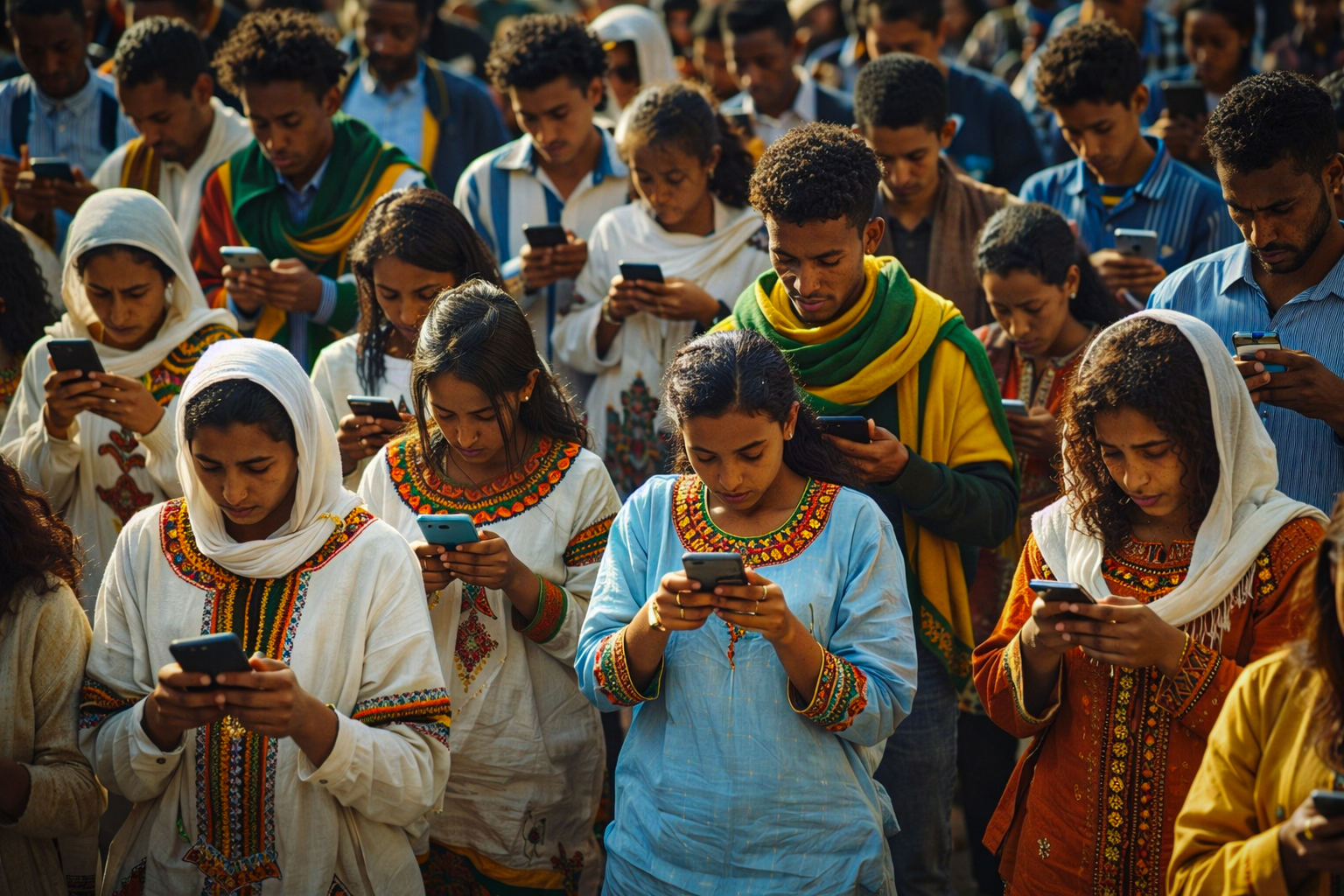
Platforms like TikTok and YouTube lead this attention economy. In Ethiopia, where more young people are using the internet and smartphones every day, this shift is happening quickly. A new generation of creators is learning how to use these platforms to make money, build careers, and influence culture. While a doctor may spend ten years in education to earn a modest and fixed monthly salary, a content creator might post a 30-second video that reaches one million people overnight. They can then earn money through ad revenue, brand deals, sponsorships, and even local partnerships.
This doesn’t mean content creation is easy. But it is scalable. A single video can be seen by millions of people at once, across the world. A doctor, no matter how skilled, can only see a limited number of patients in a day. This is one of the reasons why someone with a camera and a strong online presence might end up earning more than someone with years of training in medicine.
The uncomfortable truth is that in today’s world, income is not always about how hard you work or how educated you are. It’s often about demand, visibility, and influence. Many people feel frustrated by this, and understandably so. Our society was built on the idea that effort, discipline, and education lead to success. But in the digital world, success often comes from being interesting, relatable, or entertaining to a large audience.
For older generations, watching someone dance or joke online may seem like a waste of time or “easy money.” But what they often don’t see is the real effort behind the scenes. Successful creators spend hours planning content, filming, editing, learning platform algorithms, and staying up to date with trends. They also deal with online criticism, pressure to perform, and emotional burnout. It may look simple, but it’s a full-time job with no boss, no stable income, and no retirement plan.
So is it fair that a content creator can earn more than a surgeon? Probably not. But this is the world we now live in. The digital economy is built on reach and relevance, not just qualifications and hard work. This doesn’t mean we should stop respecting doctors or teachers or engineers. It just means we need to understand the value of different types of work. One saves lives. The other entertains, informs, or connects millions. Both have value.
Instead of ignoring or dismissing the rise of digital careers, Ethiopia has an opportunity to respond wisely. We should start educating our youth about how to use platforms like TikTok and YouTube in a responsible and professional way. We need systems that protect content creators, ensure fair taxes, and create a safe space for digital work. At the same time, we should never shame people for choosing traditional paths like medicine, education, or engineering. All types of work deserve respect.
We don’t need to choose between doctors and TikTokers. They are both important in different ways. What we need is to understand the changing world and respect the different forms of hustle that people choose. Work no longer looks the same, and income no longer comes from only the places we used to expect. Before we criticize someone for making money online, we should stop and ask: what kind of work do we truly value — and why? Maybe it’s time to update our thinking and accept that today, a “real job” can come in many different forms.